
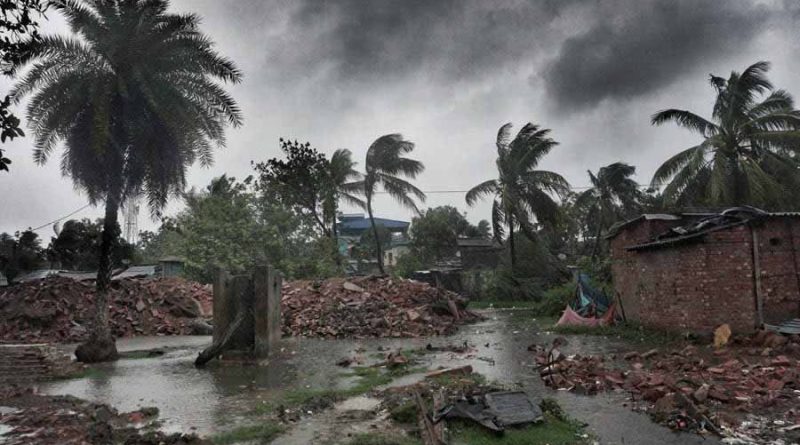
Cyclone Aila
Cyclone Aila Word count: 200
Cyclone Aila was a devastating natural disaster that struck Bangladesh and parts of eastern India in late May 2009. It was a severe tropical cyclone that caused massive destruction, particularly in the southwestern coastal districts of Bangladesh, including Khulna, Satkhira, and Bagerhat. Aila brought heavy rainfall, strong winds, and a huge storm surge, which flooded vast areas, destroyed homes, and uprooted trees.
Thousands of people lost their homes, and many were left homeless, taking shelter in temporary relief camps. The cyclone damaged crops, fisheries, and livestock, severely affecting the livelihoods of the coastal communities. Communication and transportation were disrupted, making rescue and relief operations challenging. The government, along with local and international aid organizations, quickly organized emergency relief, providing food, clean water, and medical aid to the victims.
Cyclone Aila highlighted the vulnerability of low-lying coastal regions to natural disasters and emphasized the need for effective disaster preparedness. In the aftermath, efforts were made to build stronger embankments, improve early warning systems, and educate communities about cyclone safety. Although Aila caused significant loss and suffering, it also strengthened awareness about climate resilience and the importance of timely action in protecting lives and property from such disasters.
ঘূর্ণিঝড় আইলা
ঘূর্ণিঝড় আইলা ২০০৯ সালের মে মাসে বাংলাদেশ ও ভারতের পূর্বাঞ্চলীয় কিছু অঞ্চলে আঘাত হানেছিল। এটি একটি ভয়াবহ প্রাকৃতিক দুর্যোগ ছিল, যা বিশেষ করে বাংলাদেশের দক্ষিণ-পশ্চিমাঞ্চলের জেলা খুলনা, সাতক্ষীরা এবং বাগেরহাটে ব্যাপক ধ্বংসযজ্ঞ সৃষ্টি করেছিল। আইলা ভারী বৃষ্টি, শক্তিশালী ঝড়ো হাওয়া এবং বড় এক ঝড়ের ঢেউ নিয়ে আসে, যা বিস্তীর্ণ এলাকা প্লাবিত করে, বাড়িঘর ধ্বংস করে এবং গাছ uproot করে।
হাজার হাজার মানুষ তাদের বাড়িঘর হারিয়েছিল এবং অনেকেই অস্থায়ী ত্রাণ শিবিরে আশ্রয় নিয়েছিল। ঘূর্ণিঝড় ফসল, মাছ ধরার কাজ এবং গবাদিপশু ক্ষতিগ্রস্ত করেছিল, যা উপকূলীয় সম্প্রদায়ের জীবিকায় গুরুতর প্রভাব ফেলে। যোগাযোগ ও পরিবহন ব্যাহত হওয়ায় উদ্ধার ও ত্রাণ কার্যক্রম কঠিন হয়ে ওঠে। সরকার ও স্থানীয় ও আন্তর্জাতিক ত্রাণ সংস্থা দ্রুত ত্রাণ প্রদান করে, যেমন খাদ্য, পরিষ্কার পানি এবং চিকিৎসা সহায়তা।
আইলা ঘূর্ণিঝড় উপকূলীয় নিম্নভূমি অঞ্চলের দুর্বলতা প্রকাশ করে এবং প্রাকৃতিক দুর্যোগের জন্য প্রস্তুতির প্রয়োজনীয়তা বোঝায়। পরবর্তীতে, শক্তিশালী বাঁধ নির্মাণ, আগাম সতর্কবার্তা ব্যবস্থা উন্নত করা এবং কমিউনিটিকে ঝড় থেকে রক্ষা করার শিক্ষা দেওয়ার প্রচেষ্টা শুরু হয়। আইলা যদিও বড় ক্ষয়ক্ষতি ও কষ্ট এনেছিল, তবুও এটি প্রমাণ করে যে সময়মতো পদক্ষেপ নিলে প্রাণ ও সম্পদ রক্ষা করা সম্ভব।
Cyclone Aila; Word count: 150
Cyclone Aila was a powerful tropical cyclone that hit Bangladesh and parts of India in May 2009. It mainly affected the southwestern coastal regions of Bangladesh, including Khulna, Satkhira, and Bagerhat. The storm brought heavy rainfall, strong winds, and a massive storm surge, causing widespread flooding and damage. Many houses were destroyed, and thousands of people became homeless.
The cyclone also ruined crops, fisheries, and livestock, making life very difficult for the coastal communities. Roads and communication systems were damaged, which slowed down rescue and relief operations. The government, along with local and international organizations, provided emergency support, such as food, clean water, and medical aid.
Cyclone Aila highlighted the vulnerability of low-lying areas to natural disasters. After the disaster, measures were taken to strengthen embankments, improve early warning systems, and raise awareness about cyclone safety. The event reminded people of the importance of preparedness and timely action.
ঘূর্ণিঝড় আইলা
ঘূর্ণিঝড় আইলা একটি শক্তিশালী ঘূর্ণিঝড় যা ২০০৯ সালের মে মাসে বাংলাদেশ ও ভারতের কিছু অংশে আঘাত হানেছিল। এটি প্রধানত বাংলাদেশের দক্ষিণ-পশ্চিম উপকূলীয় অঞ্চল যেমন খুলনা, সাতক্ষীরা ও বাগেরহাটকে প্রভাবিত করেছিল। ঝড়টি ভারী বৃষ্টি, শক্তিশালী হাওয়া এবং বড় ঢেউ নিয়ে আসে, যা বিস্তীর্ণ প্লাবন ও ধ্বংস সৃষ্টি করে। অনেক বাড়ি ধ্বংস হয় এবং হাজার হাজার মানুষ গৃহহীন হয়ে পড়ে।
ঘূর্ণিঝড় ফসল, মাছ ধরার কাজ এবং গবাদিপশু ক্ষতিগ্রস্ত করে, যার ফলে উপকূলীয় জনগণের জীবন খুবই কঠিন হয়ে যায়। সড়ক ও যোগাযোগ ব্যবস্থা ক্ষতিগ্রস্ত হওয়ায় উদ্ধার ও ত্রাণ কার্যক্রম ধীর হয়ে যায়। সরকার এবং স্থানীয় ও আন্তর্জাতিক সংস্থা জরুরি সহায়তা প্রদান করে, যেমন খাদ্য, পরিষ্কার পানি এবং চিকিৎসা সহায়তা।
আইলা দেখিয়েছে যে নিম্নভূমি অঞ্চল প্রাকৃতিক দুর্যোগের জন্য কতটা অসহায়। দুর্ঘটনার পর বাঁধ শক্ত করা, সতর্কবার্তা ব্যবস্থা উন্নত করা এবং ঝড়ের সময় সতর্ক থাকার বিষয়ে মানুষকে শিক্ষিত করার প্রচেষ্টা শুরু হয়।
Cyclone [120 Words] or, Cyclone Aila
Cyclone is a natural disaster. It is a strong wind that moves fast in a circle. It often causes irreparable loss to life and property. It basically occurs for environment pollution. We should stop environment pollution at any cost to save ourselves from natural calamities like cyclone. After cyclone Aila, the government and workers came to help the people, but things were very hard. Because there was not enough safe drinking water or food. And, so, many people became ill. But they did not give up hope. With the help of the government and NGOs, they repaired their homes and rebuilt their villages. They also planted new trees and new crops in their fields. Thus they started their living again.
Cyclone [150 Words]
A cyclone is a powerful and destructive natural disaster characterized by strong winds, heavy rainfall, and low atmospheric pressure. It usually forms over warm ocean waters and gains energy from the heat of the sea. As it approaches coastal areas, a cyclone can cause severe damage to houses, trees, crops, and infrastructure. The high-speed winds can uproot trees, destroy buildings, and disrupt communication systems. Heavy rainfall often leads to floods, while the storm surge causes seawater to inundate coastal regions, displacing thousands of people. Cyclones not only result in loss of lives and property but also leave long-term impacts on the economy and environment. Early warning systems, emergency shelters, and disaster preparedness can reduce the damage caused by cyclones. People in cyclone-prone areas should remain alert and follow safety instructions to minimize risks and protect lives. It is a reminder of the immense power of nature.