
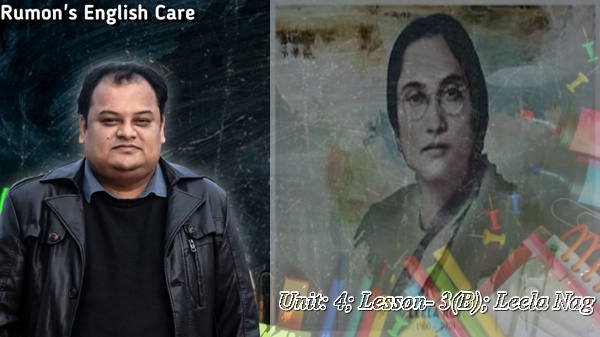
HSC Unit: 4; Lesson- 3(B); Leela Nag
In 1921. Leela Nag (also known as Leela Roy for her marriage with Anil Chandra Roy, an Indian National Congress leader) was the first woman to be admitted to the MA in English at the University of Dhaka. Breaking patriarchal barriers, Leela Nag established the identity of the Department of English from the very beginning as a platform for progressive and liberal ideas. Although her decision to join the Department of English was initially met with resistance, she achieved her goal with a special permission from the then Vice Chancellor Philip Hartog and fulfilled her dream of graduating from the University of Dhaka. In 1923, she was the first woman to receive an M.A. from the Department of English. But Leela Nag’s legacy goes beyond the confines of classrooms. While she was a student, she formed the Dhaka Women’s Committee and raised funds for the 1921 Bengal flood victims. She was actively involved in the empowerment of women in society. In 1923, she founded Deepali Sangha which served as a training institute for anti-colonial activists. Between 1927 and 1928, she established the first self-defense institute for girls in Bengal. Then, at the 1928 Calcutta Congress Session, she presented a paper on the history of women’s movement in. Bengal as a delegate, and by 1929, Leela Nag had successfully founded 12 free primary schools for girls. Apart from her contribution to women’s emancipation. Leela consistently voiced her opinions in politics as well. She had been imprisoned on several occasions. When the Subcontinent was embroiled in turmoil during the Partition, Leela Nag set up camps for victims of Noakhali riots in 1946, and for abandoned women and refugees from East Bengal in 1947. In 1946, she was the only Bengali woman elected to the Constituent Assembly of Bengal.
Leela Nag broke the glass ceiling on so many levels that it is very difficult to limit her to being only a feminist. She fulfills all the criteria of a citizen, rebel, reformer, social activist, and change agent. Looking at the other women who studied in the Department of English much later, we can trace these features of social activism in them as well.
বাংলা অর্থ / অনুবাদ :
১৯২১ সালে লীলা নাগ (বিবাহের পর লীলা রায় নামে পরিচিত; তাঁর স্বামী অনিল চন্দ্র রায় ছিলেন ভারতীয় জাতীয় কংগ্রেসের একজন নেতা) ঢাকা বিশ্ববিদ্যালয়ে ইংরেজি বিভাগে এম.এ.-তে ভর্তি হওয়া প্রথম নারী ছিলেন। পিতৃতান্ত্রিক বাধা অতিক্রম করে লীলা নাগ শুরু থেকেই ইংরেজি বিভাগকে প্রগতিশীল ও উদার চিন্তাধারার একটি মঞ্চ হিসেবে গড়ে তুলতে গুরুত্বপূর্ণ ভূমিকা রাখেন। যদিও ইংরেজি বিভাগে ভর্তি হওয়ার তাঁর সিদ্ধান্ত প্রথমে বিরোধিতার সম্মুখীন হয়, তবু তৎকালীন উপাচার্য ফিলিপ হার্টগের বিশেষ অনুমতিতে তিনি তাঁর লক্ষ্য অর্জন করেন এবং ঢাকা বিশ্ববিদ্যালয় থেকে স্নাতকোত্তর ডিগ্রি অর্জনের স্বপ্ন পূরণ করেন। ১৯২৩ সালে তিনি ইংরেজি বিভাগ থেকে এম.এ. ডিগ্রি অর্জনকারী প্রথম নারী হন।
তবে লীলা নাগের অবদান কেবল শ্রেণিকক্ষের মধ্যেই সীমাবদ্ধ ছিল না। শিক্ষার্থী থাকাকালীন তিনি ঢাকা উইমেনস কমিটি গঠন করেন এবং ১৯২১ সালের বঙ্গীয় বন্যার ক্ষতিগ্রস্তদের জন্য তহবিল সংগ্রহ করেন। তিনি সমাজে নারীর ক্ষমতায়নের জন্য সক্রিয়ভাবে কাজ করেন। ১৯২৩ সালে তিনি দীপালি সংঘ প্রতিষ্ঠা করেন, যা উপনিবেশবিরোধী আন্দোলনের কর্মীদের জন্য একটি প্রশিক্ষণ প্রতিষ্ঠান হিসেবে কাজ করত। ১৯২৭ থেকে ১৯২৮ সালের মধ্যে তিনি বাংলায় মেয়েদের জন্য প্রথম আত্মরক্ষা প্রশিক্ষণ প্রতিষ্ঠান স্থাপন করেন। এরপর ১৯২৮ সালের কলকাতা কংগ্রেস অধিবেশনে প্রতিনিধি হিসেবে তিনি বাংলায় নারী আন্দোলনের ইতিহাস নিয়ে একটি প্রবন্ধ উপস্থাপন করেন। ১৯২৯ সালের মধ্যে লীলা নাগ সফলভাবে মেয়েদের জন্য ১২টি বিনামূল্যের প্রাথমিক বিদ্যালয় প্রতিষ্ঠা করেন।
নারী মুক্তির পাশাপাশি রাজনীতিতেও তিনি ধারাবাহিকভাবে নিজের মত প্রকাশ করতেন। এ কারণে তাঁকে একাধিকবার কারাবরণ করতে হয়। দেশভাগের সময় উপমহাদেশ যখন ভয়াবহ অস্থিরতায় নিমজ্জিত, তখন ১৯৪৬ সালে তিনি নোয়াখালী দাঙ্গার শিকারদের জন্য শিবির স্থাপন করেন এবং ১৯৪৭ সালে পূর্ববঙ্গ থেকে আগত পরিত্যক্ত নারী ও শরণার্থীদের জন্য আশ্রয়কেন্দ্র গড়ে তোলেন। ১৯৪৬ সালে তিনি ছিলেন বঙ্গের গণপরিষদে নির্বাচিত একমাত্র বাঙালি নারী সদস্য।
লীলা নাগ এত স্তরে কাচের ছাদ ভেঙেছেন যে তাঁকে কেবল একজন নারীবাদী হিসেবে সীমাবদ্ধ করা কঠিন। তিনি একজন সচেতন নাগরিক, বিদ্রোহী, সংস্কারক, সমাজকর্মী এবং পরিবর্তনের দূত—সব পরিচয়ের মানদণ্ডই পূরণ করেন। পরবর্তী সময়ে ইংরেজি বিভাগে অধ্যয়ন করা অন্যান্য নারীদের মধ্যেও এই সামাজিক সক্রিয়তার বৈশিষ্ট্যগুলো আমরা খুঁজে পাই।
Here are 50 vocabulary items taken from the given passage. Each word includes Bengali meaning, synonym, antonym, and part of speech, suitable for exam preparation.
1. Admitted
-
Bengali: ভর্তি হওয়া
-
Synonym: accepted
-
Antonym: rejected
-
Part of Speech: Verb
2. Patriarchal
-
Bengali: পিতৃতান্ত্রিক
-
Synonym: male-dominated
-
Antonym: matriarchal
-
Part of Speech: Adjective
3. Established
-
Bengali: প্রতিষ্ঠা করেছেন
-
Synonym: founded
-
Antonym: abolished
-
Part of Speech: Verb
4. Platform
-
Bengali: মঞ্চ / ক্ষেত্র
-
Synonym: forum
-
Antonym: obstruction
-
Part of Speech: Noun
5. Progressive
-
Bengali: প্রগতিশীল
-
Synonym: advanced
-
Antonym: conservative
-
Part of Speech: Adjective
6. Liberal
-
Bengali: উদার
-
Synonym: open-minded
-
Antonym: narrow-minded
-
Part of Speech: Adjective
7. Resistance
-
Bengali: বাধা / প্রতিরোধ
-
Synonym: opposition
-
Antonym: acceptance
-
Part of Speech: Noun
8. Achieved
-
Bengali: অর্জন করেছে
-
Synonym: attained
-
Antonym: failed
-
Part of Speech: Verb
9. Permission
-
Bengali: অনুমতি
-
Synonym: consent
-
Antonym: refusal
-
Part of Speech: Noun
10. Fulfilled
-
Bengali: পূরণ করেছে
-
Synonym: accomplished
-
Antonym: neglected
-
Part of Speech: Verb
11. Legacy
-
Bengali: উত্তরাধিকার
-
Synonym: heritage
-
Antonym: loss
-
Part of Speech: Noun
12. Confines
-
Bengali: সীমাবদ্ধতা
-
Synonym: limits
-
Antonym: freedom
-
Part of Speech: Noun
13. Formed
-
Bengali: গঠন করেছিলেন
-
Synonym: created
-
Antonym: destroyed
-
Part of Speech: Verb
14. Raised (funds)
-
Bengali: সংগ্রহ করেছে
-
Synonym: collected
-
Antonym: wasted
-
Part of Speech: Verb
15. Victims
-
Bengali: ক্ষতিগ্রস্ত ব্যক্তি
-
Synonym: sufferers
-
Antonym: offenders
-
Part of Speech: Noun
16. Actively
-
Bengali: সক্রিয়ভাবে
-
Synonym: energetically
-
Antonym: passively
-
Part of Speech: Adverb
17. Empowerment
-
Bengali: ক্ষমতায়ন
-
Synonym: liberation
-
Antonym: suppression
-
Part of Speech: Noun
18. Founded
-
Bengali: প্রতিষ্ঠা করেছেন
-
Synonym: established
-
Antonym: dismantled
-
Part of Speech: Verb
19. Institute
-
Bengali: প্রতিষ্ঠান
-
Synonym: organization
-
Antonym: chaos
-
Part of Speech: Noun
20. Anti-colonial
-
Bengali: উপনিবেশবিরোধী
-
Synonym: nationalist
-
Antonym: imperialist
-
Part of Speech: Adjective
21. Activists
-
Bengali: কর্মী
-
Synonym: campaigners
-
Antonym: bystanders
-
Part of Speech: Noun
22. Established (self-defense)
-
Bengali: চালু করেন
-
Synonym: set up
-
Antonym: closed
-
Part of Speech: Verb
23. Delegate
-
Bengali: প্রতিনিধি
-
Synonym: representative
-
Antonym: leader
-
Part of Speech: Noun
24. Contribution
-
Bengali: অবদান
-
Synonym: donation
-
Antonym: neglect
-
Part of Speech: Noun
25. Emancipation
-
Bengali: মুক্তি
-
Synonym: liberation
-
Antonym: bondage
-
Part of Speech: Noun
26. Consistently
-
Bengali: ধারাবাহিকভাবে
-
Synonym: regularly
-
Antonym: irregularly
-
Part of Speech: Adverb
27. Voiced
-
Bengali: প্রকাশ করেছে
-
Synonym: expressed
-
Antonym: concealed
-
Part of Speech: Verb
28. Imprisoned
-
Bengali: কারাবন্দী
-
Synonym: jailed
-
Antonym: freed
-
Part of Speech: Verb
29. Turmoil
-
Bengali: অস্থিরতা
-
Synonym: chaos
-
Antonym: peace
-
Part of Speech: Noun
30. Partition
-
Bengali: দেশভাগ
-
Synonym: division
-
Antonym: unity
-
Part of Speech: Noun
31. Abandoned
-
Bengali: পরিত্যক্ত
-
Synonym: deserted
-
Antonym: protected
-
Part of Speech: Adjective
32. Refugees
-
Bengali: শরণার্থী
-
Synonym: displaced people
-
Antonym: residents
-
Part of Speech: Noun
33. Elected
-
Bengali: নির্বাচিত
-
Synonym: chosen
-
Antonym: rejected
-
Part of Speech: Verb
34. Constituent
-
Bengali: সাংবিধানিক
-
Synonym: fundamental
-
Antonym: secondary
-
Part of Speech: Adjective
35. Broke (glass ceiling)
-
Bengali: বাধা ভেঙেছে
-
Synonym: shattered
-
Antonym: preserved
-
Part of Speech: Verb
36. Feminist
-
Bengali: নারীবাদী
-
Synonym: gender activist
-
Antonym: sexist
-
Part of Speech: Noun
37. Criteria
-
Bengali: মানদণ্ড
-
Synonym: standards
-
Antonym: disorder
-
Part of Speech: Noun
38. Citizen
-
Bengali: নাগরিক
-
Synonym: national
-
Antonym: foreigner
-
Part of Speech: Noun
39. Rebel
-
Bengali: বিদ্রোহী
-
Synonym: revolutionary
-
Antonym: loyalist
-
Part of Speech: Noun
40. Reformer
-
Bengali: সংস্কারক
-
Synonym: innovator
-
Antonym: traditionalist
-
Part of Speech: Noun
41. Social
-
Bengali: সামাজিক
-
Synonym: communal
-
Antonym: individual
-
Part of Speech: Adjective
42. Activist
-
Bengali: আন্দোলনকারী
-
Synonym: advocate
-
Antonym: neutral
-
Part of Speech: Noun
43. Change agent
-
Bengali: পরিবর্তনের দূত
-
Synonym: reformer
-
Antonym: conservative
-
Part of Speech: Noun
44. Trace
-
Bengali: খুঁজে পাওয়া
-
Synonym: identify
-
Antonym: ignore
-
Part of Speech: Verb
45. Features
-
Bengali: বৈশিষ্ট্য
-
Synonym: characteristics
-
Antonym: defects
-
Part of Speech: Noun
46. Department
-
Bengali: বিভাগ
-
Synonym: faculty
-
Antonym: disorganization
-
Part of Speech: Noun
47. History
-
Bengali: ইতিহাস
-
Synonym: past
-
Antonym: future
-
Part of Speech: Noun
48. Movement
-
Bengali: আন্দোলন
-
Synonym: campaign
-
Antonym: stagnation
-
Part of Speech: Noun
49. Society
-
Bengali: সমাজ
-
Synonym: community
-
Antonym: isolation
-
Part of Speech: Noun
50. Beyond
-
Bengali: অতিক্রম করে
-
Synonym: outside
-
Antonym: within
-
Part of Speech: Preposition
MCQ Questions
Based on the Text (1–20)
-
In which year was Leela Nag admitted to the MA in English at the University of Dhaka?
A. 1919
B. 1920
C. 1921
D. 1923 -
Leela Nag was the first woman to receive an MA from which department?
A. History
B. Philosophy
C. Political Science
D. English -
Who granted special permission for Leela Nag’s admission?
A. Rabindranath Tagore
B. Anil Chandra Roy
C. Philip Hartog
D. C. R. Das -
What kind of ideas did the Department of English promote under Leela Nag?
A. Conservative and traditional
B. Progressive and liberal
C. Religious and orthodox
D. Nationalistic only -
In which year did Leela Nag receive her MA degree?
A. 1921
B. 1922
C. 1923
D. 1925 -
Which organization did Leela Nag form while she was a student?
A. Deepali Sangha
B. Dhaka Women’s Committee
C. Bengal Women’s League
D. All India Women’s Conference -
For which victims did she raise funds in 1921?
A. Famine victims
B. Riot victims
C. War victims
D. Flood victims -
Deepali Sangha was founded mainly to train—
A. Teachers
B. Writers
C. Anti-colonial activists
D. Politicians -
Between 1927 and 1928, Leela Nag established—
A. Colleges for women
B. Free libraries
C. Self-defense institutes for girls
D. Political parties -
Where did she present a paper on women’s movement in 1928?
A. Dhaka University
B. Lahore Session
C. Calcutta Congress Session
D. Bombay Session -
By 1929, how many free primary schools for girls had she founded?
A. 10
B. 11
C. 12
D. 15 -
Leela Nag was imprisoned because of her involvement in—
A. Education
B. Literature
C. Politics
D. Journalism -
During Partition, she set up camps mainly for—
A. Soldiers
B. Refugees and abandoned women
C. Students
D. Politicians -
In 1946, Leela Nag was elected to the—
A. Indian Parliament
B. Bengal Legislative Council
C. Constituent Assembly of Bengal
D. British Parliament -
She was the only Bengali woman elected in—
A. 1945
B. 1946
C. 1947
D. 1948 -
The phrase “glass ceiling” refers to—
A. Physical barrier
B. Educational system
C. Invisible social barrier
D. Financial problem -
Leela Nag is described as all EXCEPT—
A. Reformer
B. Rebel
C. Social activist
D. Businesswoman -
Her work contributed most to—
A. Industrial development
B. Women’s empowerment
C. Military reform
D. Agricultural growth -
The Department of English later students also showed—
A. Political rivalry
B. Social activism
C. Academic jealousy
D. Literary rivalry -
The main theme of the passage is—
A. British education system
B. History of Dhaka University
C. Leela Nag’s multifaceted contributions
D. Bengal flood of 1921
Synonym-Based MCQs (21–30)
-
The synonym of “progressive” is—
A. Backward
B. Advanced
C. Rigid
D. Orthodox -
The synonym of “legacy” is—
A. Failure
B. Heritage
C. Loss
D. Protest -
The synonym of “resistance” is—
A. Support
B. Agreement
C. Opposition
D. Silence -
The synonym of “emancipation” is—
A. Bondage
B. Control
C. Liberation
D. Dependence -
The synonym of “imprisoned” is—
A. Released
B. Educated
C. Jailed
D. Promoted -
The synonym of “founded” is—
A. Destroyed
B. Established
C. Ignored
D. Delayed -
The synonym of “actively” is—
A. Lazily
B. Energetically
C. Carelessly
D. Slowly -
The synonym of “turmoil” is—
A. Peace
B. Stability
C. Chaos
D. Order -
The synonym of “delegate” is—
A. Leader
B. Representative
C. Opponent
D. Stranger -
The synonym of “trace” is—
A. Hide
B. Forget
C. Identify
D. Destroy
Antonym-Based MCQs (31–40)
-
The antonym of “liberal” is—
A. Generous
B. Broad-minded
C. Narrow-minded
D. Flexible -
The antonym of “accepted” is—
A. Allowed
B. Admitted
C. Rejected
D. Welcomed -
The antonym of “empowerment” is—
A. Strength
B. Liberation
C. Suppression
D. Authority -
The antonym of “progressive” is—
A. Modern
B. Conservative
C. Forward
D. Radical -
The antonym of “freedom” is—
A. Peace
B. Equality
C. Bondage
D. Justice -
The antonym of “unity” is—
A. Harmony
B. Brotherhood
C. Partition
D. Agreement -
The antonym of “beyond” is—
A. Outside
B. Over
C. Within
D. Above -
The antonym of “active” is—
A. Energetic
B. Passive
C. Busy
D. Fast -
The antonym of “successfully” is—
A. Happily
B. Proudly
C. Failure
D. Unsuccessfully -
The antonym of “established” is—
A. Built
B. Founded
C. Abolished
D. Organized
Parts of Speech MCQs (41–50)
-
The word “progressive” is a—
A. Noun
B. Verb
C. Adjective
D. Adverb -
The word “empowerment” is a—
A. Verb
B. Noun
C. Adjective
D. Adverb -
The word “actively” is a—
A. Adjective
B. Noun
C. Verb
D. Adverb -
The word “founded” is a—
A. Noun
B. Adjective
C. Verb
D. Preposition -
The word “delegate” is a—
A. Verb
B. Noun
C. Adjective
D. Adverb -
The word “liberal” in the passage is a—
A. Noun
B. Verb
C. Adjective
D. Preposition -
The word “movement” is a—
A. Verb
B. Adverb
C. Noun
D. Adjective -
The word “consistently” is a—
A. Noun
B. Verb
C. Adjective
D. Adverb -
The word “citizen” is a—
A. Adjective
B. Verb
C. Noun
D. Adverb -
The word “beyond” is used as a—
A. Conjunction
B. Preposition
C. Noun
D. Verb
✅ Answer Key
-
C
-
D
-
C
-
B
-
C
-
B
-
D
-
C
-
C
-
C
-
C
-
C
-
B
-
C
-
B
-
C
-
D
-
B
-
B
-
C
-
B
-
B
-
C
-
C
-
C
-
B
-
B
-
C
-
B
-
C
-
C
-
C
-
C
-
B
-
C
-
C
-
C
-
B
-
D
-
C
-
C
-
B
-
D
-
C
-
B
-
C
-
C
-
D
-
C
-
B