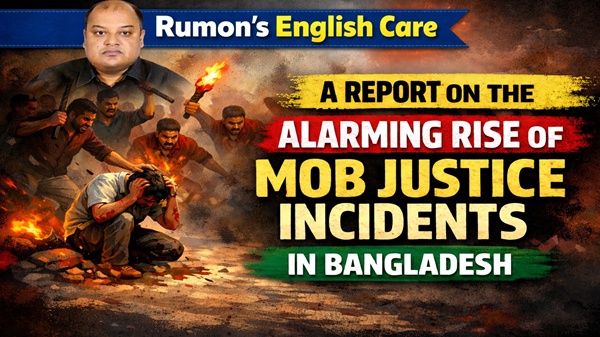
Alarming Rise of Mob Justice Incidents in Bangladesh
Mob justice, also known as vigilante violence or lynching, has become an increasingly alarming issue in Bangladesh in recent years. Instead of relying on the legal system, groups of people are taking the law into their own hands, often leading to brutal and unjust killings. This growing trend reflects deeper social, political, and institutional challenges within the country.
Several recent incidents highlight the seriousness of the problem. In August 2025, two men were beaten to death in Rangpur on mere suspicion of theft, with hundreds participating in the attack.
Similarly, in December 2025, a garment worker named Dipu Chandra Das was lynched by a mob over alleged blasphemy—claims later found to have no evidence.
Reports suggest that mob violence has surged significantly, with hundreds of deaths recorded over a short period. These incidents are not isolated; rather, they indicate a disturbing pattern of collective violence fueled by rumors, misinformation, and emotional outrage.
The consequences of mob justice are severe. Innocent people often become victims of false accusations. Minority communities, in particular, have faced increased vulnerability and fear due to targeted attacks.
Moreover, mob violence undermines the rule of law, weakens democratic institutions, and creates a culture of fear and impunity.
Authorities including the Home Minister announced plans to launch nationwide awareness campaigns and enforce strict legal measures to prevent further incidents of mob justice.
বাংলা অর্থ (Bengali Meaning):
বাংলাদেশে গণপিটুনি বা জনতার হাতে বিচার (মব জাস্টিস), যা ভিজিলান্টি সহিংসতা বা লিঞ্চিং নামেও পরিচিত, সাম্প্রতিক বছরগুলোতে একটি উদ্বেগজনক সমস্যায় পরিণত হয়েছে। আইনগত ব্যবস্থার উপর নির্ভর না করে, মানুষ নিজেরাই আইন হাতে তুলে নিচ্ছে, যা প্রায়ই নির্মম ও অন্যায় হত্যাকাণ্ডের দিকে নিয়ে যাচ্ছে। এই ক্রমবর্ধমান প্রবণতা দেশের গভীর সামাজিক, রাজনৈতিক এবং প্রাতিষ্ঠানিক সমস্যাগুলোর প্রতিফলন।
সাম্প্রতিক বেশ কয়েকটি ঘটনা এই সমস্যার গুরুত্বকে তুলে ধরে। ২০২৫ সালের আগস্ট মাসে রংপুরে চুরির সন্দেহে দুইজন ব্যক্তিকে পিটিয়ে হত্যা করা হয়, যেখানে শত শত মানুষ এই হামলায় অংশগ্রহণ করে।
একইভাবে, ২০২৫ সালের ডিসেম্বর মাসে দীপু চন্দ্র দাস নামের এক গার্মেন্টস শ্রমিককে কথিত ধর্ম অবমাননার অভিযোগে জনতা হত্যা করে—যা পরে ভিত্তিহীন প্রমাণিত হয়।
প্রতিবেদন অনুযায়ী, অল্প সময়ের মধ্যেই শত শত মৃত্যুর ঘটনা ঘটেছে, যা গণসহিংসতার উল্লেখযোগ্য বৃদ্ধি নির্দেশ করে। এসব ঘটনা বিচ্ছিন্ন নয়; বরং গুজব, ভুল তথ্য এবং আবেগজনিত ক্ষোভ দ্বারা উসকানিপ্রাপ্ত এক ভয়াবহ সহিংসতার ধারা নির্দেশ করে।
গণপিটুনির পরিণতি অত্যন্ত ভয়াবহ। নিরপরাধ মানুষ প্রায়ই মিথ্যা অভিযোগের শিকার হয়। বিশেষ করে সংখ্যালঘু সম্প্রদায়ের মানুষদের মধ্যে ভয় ও অনিরাপত্তা বেড়ে গেছে।
এছাড়াও, এই ধরনের সহিংসতা আইনের শাসনকে দুর্বল করে, গণতান্ত্রিক প্রতিষ্ঠানগুলোর ওপর আস্থা নষ্ট করে এবং ভয় ও দায়মুক্তির একটি সংস্কৃতি তৈরি করে।
এ ধরনের ঘটনা প্রতিরোধে স্বরাষ্ট্রমন্ত্রীসহ সংশ্লিষ্ট কর্তৃপক্ষ দেশব্যাপী সচেতনতামূলক কার্যক্রম চালু এবং কঠোর আইন প্রয়োগের পরিকল্পনা ঘোষণা করেছেন।
or,
The Alarming Rise of Mob Justice in Bangladesh
Mob justice—commonly referred to as vigilante justice—has emerged as a growing threat to the rule of law and human rights in Bangladesh. It refers to the act of a group of people taking the law into their own hands, often punishing alleged offenders through violence, sometimes fatally. Over the past several years, Bangladesh has seen a worrying escalation in mob-related incidents, reflecting deep-seated social frustration with the justice system, institutional weaknesses, and broader socio-political instability.
Recent reports indicate that mob justice incidents have intensified since 2024, particularly during and after Bangladesh’s political transition period. The Business Standard noted that during the 18-month interim government following the fall of the Awami League on 5 August 2024, mob behaviour even infiltrated court premises, disrupting judicial proceedings and undermining the authority of the judiciary. Former ministers, lawmakers, and journalists were sometimes attacked while being brought to court, leading to widespread concern over the erosion of judicial sanctity
Bangladesh already possesses several legal provisions criminalizing murder, assault, and incitement to violence under the Penal Code. Yet, enforcement remains weak. As legal scholars emphasize, despite existing laws, the failure lies in implementation—often due to political interference, slow courts, or lack of accountability within law enforcement.
Mob justice in Bangladesh represents not just isolated acts of violence but a profound social and institutional crisis. It exposes citizens’ growing disillusionment with the state’s capacity to deliver justice. Unless urgent steps are taken to strengthen legal institutions, promote civic education, and hold perpetrators accountable, Bangladesh risks normalizing extrajudicial retaliation—a path incompatible with democracy, justice, and human rights.
বাংলা অর্থ (Bengali Meaning):
মব জাস্টিস—যা সাধারণভাবে স্বঘোষিত বা জনতার বিচারের নামে পরিচিত—বাংলাদেশে আইনের শাসন ও মানবাধিকারের জন্য একটি ক্রমবর্ধমান হুমকি হিসেবে দেখা দিয়েছে। এটি এমন একটি পরিস্থিতিকে বোঝায় যেখানে একদল মানুষ নিজেরাই আইন হাতে তুলে নিয়ে অভিযুক্ত ব্যক্তিদের শাস্তি দেয়, যা অনেক সময় সহিংস ও প্রাণঘাতী হয়ে ওঠে। গত কয়েক বছরে বাংলাদেশে মব-সংক্রান্ত ঘটনার উদ্বেগজনক বৃদ্ধি লক্ষ্য করা গেছে, যা বিচারব্যবস্থার প্রতি গভীর অসন্তোষ, প্রাতিষ্ঠানিক দুর্বলতা এবং সামগ্রিক সামাজিক-রাজনৈতিক অস্থিরতার প্রতিফলন।
সাম্প্রতিক প্রতিবেদনগুলো ইঙ্গিত দেয় যে ২০২৪ সাল থেকে, বিশেষ করে বাংলাদেশের রাজনৈতিক পরিবর্তনের সময় ও পরবর্তীতে, মব জাস্টিসের ঘটনা বেড়েছে। দ্য বিজনেস স্ট্যান্ডার্ড উল্লেখ করেছে যে, ৫ আগস্ট ২০২৪-এ আওয়ামী লীগের পতনের পরবর্তী ১৮ মাসের অন্তর্বর্তীকালীন সরকারের সময়, মব আচরণ আদালত প্রাঙ্গণেও প্রবেশ করে, যা বিচারিক কার্যক্রম ব্যাহত করে এবং বিচার বিভাগের কর্তৃত্বকে ক্ষুণ্ন করে। প্রাক্তন মন্ত্রী, সংসদ সদস্য এবং সাংবাদিকদের আদালতে নেওয়ার সময়ও কখনও কখনও হামলার শিকার হতে হয়েছে, যা বিচার ব্যবস্থার মর্যাদা ক্ষুণ্ন হওয়ার বিষয়ে ব্যাপক উদ্বেগ সৃষ্টি করেছে।
বাংলাদেশে ইতোমধ্যেই দণ্ডবিধির অধীনে হত্যা, হামলা এবং সহিংসতায় প্ররোচনার বিরুদ্ধে বিভিন্ন আইন রয়েছে। তবে, এসব আইনের প্রয়োগ দুর্বল। আইন বিশেষজ্ঞদের মতে, সমস্যাটি আইনের অভাবে নয়, বরং এর যথাযথ বাস্তবায়নের অভাবে—যার পেছনে রাজনৈতিক হস্তক্ষেপ, বিচার প্রক্রিয়ার ধীরগতি এবং আইন প্রয়োগকারী সংস্থার জবাবদিহিতার অভাব দায়ী।
বাংলাদেশে মব জাস্টিস কেবল বিচ্ছিন্ন সহিংস ঘটনা নয়, বরং এটি একটি গভীর সামাজিক ও প্রাতিষ্ঠানিক সংকটের প্রতিফলন। এটি দেখায় যে নাগরিকদের মধ্যে রাষ্ট্রের বিচার দেওয়ার সক্ষমতার প্রতি আস্থা কমে যাচ্ছে। জরুরি ভিত্তিতে আইনগত প্রতিষ্ঠানগুলোকে শক্তিশালী করা, নাগরিক সচেতনতা বৃদ্ধি করা এবং অপরাধীদের জবাবদিহিতার আওতায় আনা না হলে, বাংলাদেশে বিচারবহির্ভূত প্রতিশোধ স্বাভাবিক হয়ে উঠতে পারে—যা গণতন্ত্র, ন্যায়বিচার এবং মানবাধিকারের সঙ্গে অসামঞ্জস্যপূর্ণ।